
This Lent, we are going to share with you excerpts from Keeping Hope: A Resource for Families and Friends of the Incarcerated
Written by Karen Henning Heuberger and Ron Zeilinger
“Coping: Finding Support”
Finding support when you have a loved one who is incarcerated is not always easy. If you are afraid to tell others, you may carry the burden alone. But if you can reach out, you may find there are many sources of support that you didn’t know were there.
Family and Friends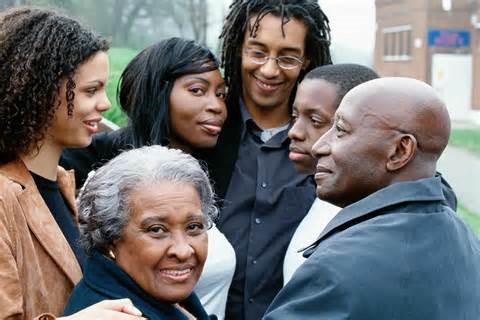
If you have good relationships with those in your family, they can be an immediate source of support. Since your family is likely already aware of your situation, that will save you the process of having to share your story initially. Family members, though they deal with things differently, often have a common history with the offender and you can share on a deeper level more quickly. There will be a better sense of understanding, especially if they have been involved in your life and the life of your loved one.
If your relationship with family is strained, close friends may prove a better option. Friends who have journeyed with you through the trial and sentencing process can be invaluable as you deal with the time of incarceration. Opening up to them, honestly sharing your feelings about the situation and your loved one, positive or negative, can have a great healing effect. As mentioned in Chapter One, you may want to choose carefully whom you tell at first. Choose someone who has proven to be open and supportive and has previously held your deepest feelings as sacred.
Church Community
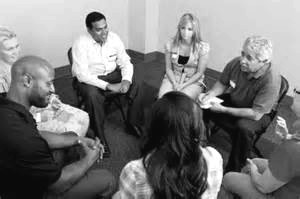 If you belong to a church community, talking with your pastor may be a good starting point. Not only should the pastor be able to listen to you, but should also be able to give you some guidance in your situation and help you find the resources you need. Just being involved in a small faith community can be a support to you. It can be a community where you receive prayer and acceptance. But there may also be a specific “families of the incarcerated” program in your parish or diocese. Or your pastor may even be able to put you in contact with another family in your parish who also has a loved one in prison. Starting on common ground can help you form a support network. Hearing about how another family deals with their situation may give you ideas about what might help you.
Your pastor should also be able to connect you with resources that meet your physical/financial needs as well. With the financial burdens of having a loved one in prison, you may need to find help with rent or utilities. You may need food, clothing, or even school supplies for your children. Church parishes are great sources of such support.
If you do not already have a church community, you may want to seek one. Finding one where you feel you’ve “come home” is important, especially as you look for support and acceptance during this time in your life.

Prayer
Many family members said that without prayer and faith, they wouldn’t have made it through their experience. Staying positive, holding on to hope, and taking everything to God has made a big difference for them. Don’t hold back on your real feelings when you approach God. Go as you are, being honest with all that is inside of you. Letting it out with God may help relieve you of some of the emotional burden. Using prayer and meditation to find peace and maintain an inner calm can help you tolerate the trials that arise in daily living.
Education
Sometimes just increasing your knowledge can help you cope with the situation in a more productive way. Understanding the correctional system better, or the crime that was committed, can help you deal with what happened. If your loved one has an addiction or any form of mental illness, learning about these issues can help you understand your loved one better and can help you relate to him or her more constructively, especially when visiting. It can also help you more fully support him or her.
It may help you communicate with him or her in more meaningful ways and demonstrates that he or she still matters to you despite what has happened. Education not only helps you understand the situation and your loved one better, it can also help you understand yourself better. Learning about living as a family member of the incarcerated can help “normalize” your feelings. It can help you understand why you are feeling what you feel, and give you alternatives as to how to deal with your situation. Education can empower you as you move forward and face the challenges of having a loved one in prison.
Counseling
Beyond education, therapy can also empower you. Therapy with someone who is knowledgeable of your situation can help you tap your strengths as you deal with your burdens. A therapist can teach you skills that will help you in daily living as well as in your interactions with your loved one. Many therapists work on a sliding-fee-scale, so you can find someone within your financial means.
If your faith-life is important to you, spiritual or religious counseling may give you support as well. Religious counselors through churches may not be certified psychologists, but may help you draw on your faith to deal with hardships. They may help you look at your situation through the lens of faith.
Some programs set up for families of the incarcerated offer counseling as part of their services. The services may be for individuals or the family as a whole. In these programs, because they are geared for families of the incarcerated, counselors are well-versed in the issues facing such families and can often provide practical, proven ideas for dealing with the unique challenges you may face.
Retreats
Retreats, getting away from your daily routine, can provide you with time to reflect, to have some quiet, and to draw a sense of peace and strength to deal with your challenges. They usually involve talks followed by activities to reinforce what you learn. Such retreats can be general, focusing on your own spiritual journey, or you can choose one that is focused on those whose loved ones are in prison. One example is Kairos Outside. While the Kairos program is for inmates, Kairos Outside was developed for women whose loved ones are incarcerated. One healing activity at this retreat is celebrating birthdays for the celebrations you so often miss with your loved one gone. Regardless of the specific activities though, retreats can help you realize life goes on. They can help you work through your feelings and connect with others. They can provide support in a safe atmosphere.
READ MORE FROM KEEPING HOPE BY PURCHASING YOUR COPY ON OUR STORE PAGE.




 Other facilities do not provide these features. Depending on the security level or other factors, children may not be able to touch their loved one. The visit may be through glass or over a video screen. However the children connect with their loved one in a visit, prepare them ahead of time so they know what to expect.
 Never speaking ill of the incarcerated helps the children maintain any positive emotions they have for their loved one. Also, when children see the adults forgive the family member, it can help them do likewise. Never pressure the children to move to forgiveness or even positive feelings for the loved one. Allow them to experience what they are feeling and then address their feelings through positive means.
 Another program providing information and activities for children as well as advice for caregivers and service providers is Sesame Street’s new project, Little Children, Big Challenges: Incarceration (www.sesamestreet.org/toolkits/incarceration). In the usual Sesame Street style, this program uses videos, songs, and activities for children ages 3-8 to help them understand and deal with the challenges of having a loved one who is incarcerated. Big Brothers/Big Sisters and church programs can also offer support, providing mentors and involvement in positive ways. Programs such as these move the children’s focus away from the reminders of their loved one’s incarceration.
 There is also the money that goes into his or her account for personal expenses at the prison commissary. Your loved one may need money for shoes, underwear, certain clothes, extra food, toiletries, paper and pens for classwork assignments or writing letters, and anything the prison doesn’t supply. Some have said that they budget $300 per month for the basics for their loved one.
 Bills that are in your name, or held jointly with the offender, will remain your responsibility. Bills in the offender’s name, such as credit card accounts, are your loved one’s responsibility, not yours. Do not be hassled by banks or lenders to pay them. The one incarcerated will have to make arrangements for those. Since he or she has no income bankruptcy is often the only solution.
 Children lose the daily support of a parent or significant adult as well. They may have to take on added responsibilities around the house which can result in resentment. They may feel abandoned or responsible for the incarceration and act out, either at home or at school. If any form of bullying occurs, instruct your children to report it to school authorities immediately before it escalates into violence.
 From Those Who Know…