
This Lent, we are going to share with you excerpts from Keeping Hope: A Resource for Families and Friends of the Incarcerated
Written by Karen Henning Heuberger and Ron Zeilinger
“Being There: Supporting Your Loved One”
Don’t ever give up on them. Hate the sin but not the sinner.
One of the key ingredients in successful rehabilitation for inmates is family involvement. As the California Department of Corrections and Rehabilitation asserts, “Programs already in place in our state…show an enormous rehabilitative benefit from family interaction.” (Reform and Inform Newsletter, 2007) Furthermore, former Wisconsin DOC Secretary Gary Hamblin stated that “helping inmates maintain contact with their families while they are incarcerated also has an impact on recidivism and decreases their chances of re-incarceration.” (walker.wi.gov/press-release/governor-walker-miss-america-2012-announce-read-lead-book-bridge-program).
 When your loved one goes to prison, you must make the decision if you are going to be committed to supporting him or her or not. Once you have decided to support the person, truly commit. Don’t be lukewarm. The more you can show healthy support, the better off he or she will be both during and after incarceration. Do not give up on him or her, especially if this is a first-time offense. Look past what happened and remember the person you love.
For some, the commitment to support your loved one may not happen right away. It may take a sincere letter from him or her as an indication of real change, an effort on the part of the prisoner, or just finding a common ground as you rebuild your relationship. But even if the reconnection comes near the end of the sentence, it is not too late. Doing what you can to support the person at any point of the incarceration can make a difference.
Because your loved one doesn’t truly know what is going on in your life, he or she has to completely trust you and the information you give. Do what you can to build that trust. Be consistent with writing, visiting, talking on the phone. Be encouraging. Make sure the inmate’s name is called often when the mail is handed out in the facility. Send something extra around the holidays. Send pictures, anything with color, things that are allowed but not seen in a prison. Demonstrate your support and that you haven’t forgotten about your relationship. Keep the communication open and flowing.
Helping support your loved one’s faith-life is another important aspect of his or her rehabilitation. Pray together when you can, do bible studies together, and share your faith experiences – all one’s spiritual life. This can help you, too. Both of you growing in faith together not only helps you bond, but helps both of you cope and develop in healthy ways.
Supporting your family member or friend involves both emotional and financial support. People who don’t have anyone to help financially are more isolated. They have no money for personal things that can be purchased in the commissary. So if you can, make sure there is money in the prisoner’s account for the phone and the commissary. Often, there are easy online methods for putting money into your loved one’s account. For example, in Texas there is e-CommDirect (tdcj-ecommdirect.portal.texas.gov/). This service allows you to make online purchases from the commissary which will be delivered to your loved one, or put money directly into your loved one’s account online. Similar to this is JPay (www.jpay.com). Available in more than 30 states, JPay allows you to not only send money to your loved one’s account, but also emails and music. Other services are video visits if the facility participates in this option.
 Educate yourself on any conditions your loved one may have, whether they are mental or physical illness, or an addiction. The more you understand, the more you can support him or her and the more you can advocate if needed. You may also need to educate yourself on legal issues, especially if your loved one plans to make an appeal. While there is some legal help available inside the prisons, you may be the best advocate in your family member or friend’s case.
Advocating for Your Loved One
Advocating for a prisoner can take various approaches. It depends on each person. One way is simply being the person’s advocate within your family. You may need to speak up for him or her with members of the family who are not so supportive. You may not get them to start writing or visiting, but just helping family members understand the situation better can promote an attitude of reconciliation or at least tolerance.
Advocating within the system may present more formal involvement. At the time of sentencing, you may be able to give input as to what you think your loved one needs as part of his or her program (i.e. drug treatment, anger management, etc.) Some states have councils made up of inmate families to help resolve issues during incarceration, such as the Ohio Department of Rehabilitation and Correction (ODRC) Family Council.
Otherwise, you may simply have to be willing to take a stand on your own. For example, your advocacy may revolve around a condition your loved one has. If you are not happy with the medical care the prisoner receives, you may need to speak up on his or her behalf. There is a usually a process set up in the system – either at the correctional facility or at the state Department of Corrections level — to make a complaint, but if you are not getting the response you need, you may need to contact the ombudsman or other appropriate person in the system. If your loved one has mental illness, you may have to advocate for the person just to get needed treatment, whether it is counseling or medication. Keep asking “who else might help with this?” until you reach the right person.
If you need to advocate for your loved one on a legal level, i.e. making an appeal, you may feel out of your league. But there are options for getting legal help. Often the prison has a legal expert who can give advice. You can also do your own research. Some organizations, such as The Innocence Network, will provide free assistance in certain types of cases. More generally, there is some form of a Legal Aid Society ready to provide help.
READ MORE FROM KEEPING HOPE BY PURCHASING YOUR COPY ON OUR STORE PAGE.
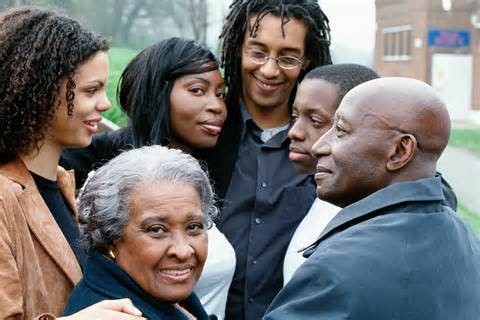
 If you belong to a church community, talking with your pastor may be a good starting point. Not only should the pastor be able to listen to you, but should also be able to give you some guidance in your situation and help you find the resources you need. Just being involved in a small faith community can be a support to you. It can be a community where you receive prayer and acceptance. But there may also be a specific “families of the incarcerated” program in your parish or diocese. Or your pastor may even be able to put you in contact with another family in your parish who also has a loved one in prison. Starting on common ground can help you form a support network. Hearing about how another family deals with their situation may give you ideas about what might help you.


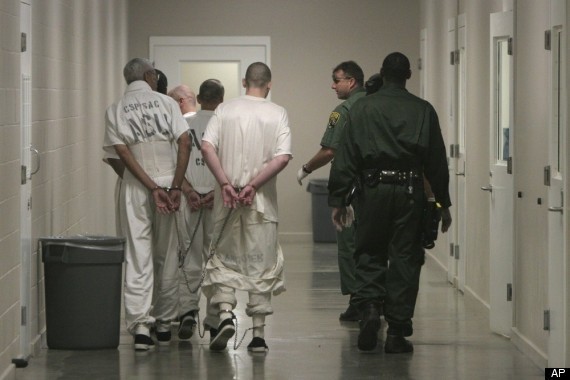




 Other facilities do not provide these features. Depending on the security level or other factors, children may not be able to touch their loved one. The visit may be through glass or over a video screen. However the children connect with their loved one in a visit, prepare them ahead of time so they know what to expect.
 Never speaking ill of the incarcerated helps the children maintain any positive emotions they have for their loved one. Also, when children see the adults forgive the family member, it can help them do likewise. Never pressure the children to move to forgiveness or even positive feelings for the loved one. Allow them to experience what they are feeling and then address their feelings through positive means.

 Another program providing information and activities for children as well as advice for caregivers and service providers is Sesame Street’s new project, Little Children, Big Challenges: Incarceration (www.sesamestreet.org/toolkits/incarceration). In the usual Sesame Street style, this program uses videos, songs, and activities for children ages 3-8 to help them understand and deal with the challenges of having a loved one who is incarcerated. Big Brothers/Big Sisters and church programs can also offer support, providing mentors and involvement in positive ways. Programs such as these move the children’s focus away from the reminders of their loved one’s incarceration.